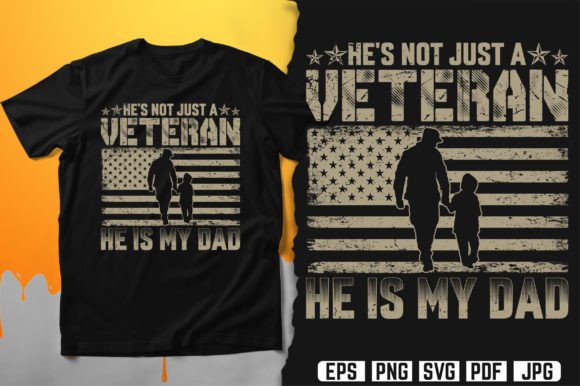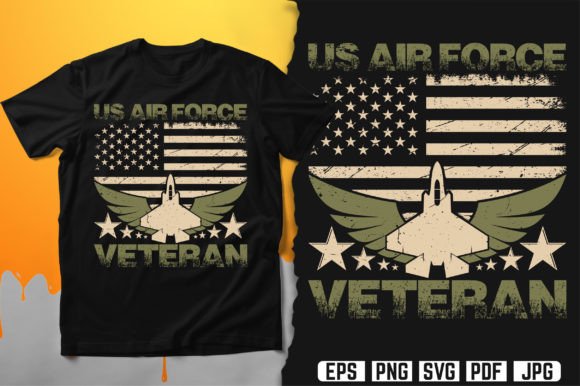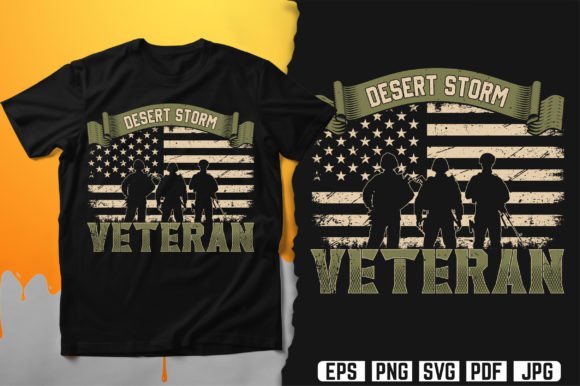
Desert Storm Veteran Graphics for T-Shirt Designs
As a graphic designer who’s built brand identities for veterans’ nonprofits, small-batch apparel lines, and local memorial events, I recently evaluated Desert Storm Veteran. Best Vector Design for a real client project: a limited-run merchandise collection supporting a Midwest-based veteran outreach initiative. My goal wasn’t just to assess aesthetics—I needed to know whether this graphic design asset would hold up across print-on-demand platforms, social media graphics, packaging design, and physical product mockups—without compromising professionalism or emotional resonance.
A First Impression That Lands with Weight and Clarity
The moment I opened the file, I felt the balance it strikes: solemn but not somber, bold but not aggressive. Desert Storm Veteran. Best Vector Design uses strong silhouettes, layered vector shapes, and intentional negative space—not flashy ornamentation, but grounded visual storytelling. It leans into modern design sensibilities while honoring tradition through clean linework and restrained symbolism. This isn’t clipart; it’s a considered illustration that reads instantly as both patriotic and personal. For handmade business owners or Etsy sellers launching a themed collection around military appreciation, that clarity is gold—it communicates meaning before a single word is read.
Where It Excels in Real Client Work
This graphic design asset shines where emotional authenticity meets functional versatility. On t-shirt design mockups—especially dark heather grey or navy—it holds contrast beautifully thanks to its high-impact vector structure. I tested it across multiple use cases:
- Product labels & packaging design: Scaled cleanly onto kraft gift tags and reusable tote bags without losing legibility.
- Social media graphics: Stood out in Instagram feed posts and Pinterest pins when paired with short, respectful copy—no competing visual noise required.
- Editorial design & blog visuals: Worked as a hero graphic above veteran interview features or campaign launch announcements.
- Cricut projects & sublimation design: The SVG layers remained fully editable—easy to isolate elements for custom decals or layered heat transfers.
- Printable design & wall art: Printed crisply at 24x36” on matte poster paper, retaining sharp edges and tonal integrity.
It also integrates smoothly with common font pairings: pairing with a sturdy sans serif (like Montserrat Bold) reinforced authority, while a subtle script font added warmth for invitation suites or thank-you cards. As a commercial design asset, it supports brand consistency—not by dominating, but by anchoring tone.
Use With Intention—Not Everywhere
That said, Desert Storm Veteran. Best Vector Design isn’t universally scalable. In minimalist branding systems—think clean tech startups or luxury wellness brands—it risks feeling tonally dissonant. It’s also less effective at under-1.5” sizes (e.g., small enamel pins or tiny sticker sheets), where fine details blur and symbolic weight dissipates. On complex backgrounds—busy textures, gradient overlays, or photographic collages—it needs careful masking or simplified variants to maintain visual hierarchy.
I’d avoid using it directly in logo design unless the client’s entire identity revolves around military service recognition. Logos demand scalability, abstraction, and timeless neutrality—this asset excels in expressive context, not standalone abstraction. Similarly, for corporate reports or investor-facing materials, its emotional intensity may undercut desired neutrality.
Designer Notes You Can’t Skip Before Deployment
Before clearing Desert Storm Veteran. Best Vector Design for client use, I ran these practical checks:
- Test in black and white: Confirmed it retains impact without color—critical for embroidery or single-color screen printing.
- Check contrast on light/dark backgrounds: Verified readability on both white cotton tees and charcoal mugs using WCAG-compliant contrast tools.
- Preview at scale: Zoomed out to 25% to simulate how it reads on a phone scroll or distant poster display.
- Mockup realism: Placed it on realistic product mockups—not flat PNGs—to assess proportion, bleed, and garment drape interaction.
- Print test: Ran a physical proof on a DTG printer; vector edges stayed razor-sharp, no rasterization artifacts.
- File inspection: Confirmed SVG paths were ungrouped and editable—not flattened or embedded. Checked PNG transparency for clean cutouts on digital ads.
- Licensing review: Verified the commercial license explicitly covers print-on-demand, digital resale (Etsy, Redbubble), and client deliverables—not just personal use.
Why It Fits the Creative Marketplace—and Your Next Project
In today’s crowded creative marketplace, designers need assets that do more than look good—they must reduce revision cycles, uphold brand trust, and resonate authentically with niche audiences. Desert Storm Veteran. Best Vector Design delivers that. It’s not generic patriotism—it’s a focused, respectful visual voice. For small business branding tied to community service, seasonal campaigns around Veterans Day or Memorial Day, or even editorial design for veteran-led podcasts and newsletters, it adds gravitas without cliché.
What makes it especially valuable for digital sellers and crafters? Its adaptability across formats: one SVG file serves Cricut users, sublimation designers, Canva template builders, and print-on-demand sellers alike. And because the vector shapes are 100% editable, you’re not locked into preset colors—you can shift palette to match existing brand guidelines or seasonal collections instantly.
Ultimately, Desert Storm Veteran. Best Vector Design earns its place in a professional designer’s toolkit not because it’s trendy, but because it’s reliable. It performs consistently across mediums, respects its subject matter, and gives clients a finished look that feels intentional—not assembled. Whether you’re building a full brand identity or sourcing a single high-impact element for a campaign, this graphic design asset proves that thoughtful design choices start with choosing the right foundation.