Murder Shows and Comfy Clothes
A Designer’s First Glance: Witty, Warm, and Just a Little Wry
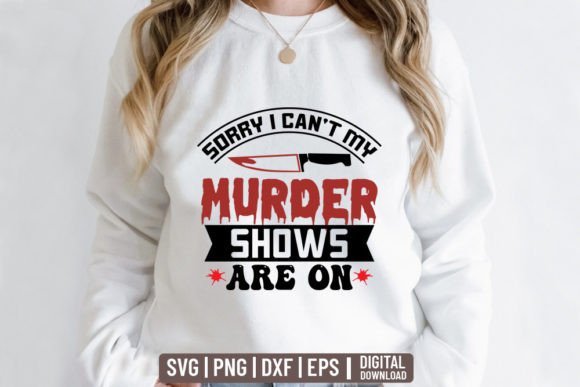
Opening the Murder Shows and Comfy Clothes zip file feels like unboxing a clever inside joke—familiar, low-key, and instantly relatable to anyone who’s ever worn sweatpants while rewatching a documentary series. The design lands with quiet confidence: clean lines, balanced negative space, and typography that leans into playful contrast—bold enough for visibility, soft enough for comfort. It’s not screaming for attention; it’s leaning against the kitchen counter, holding coffee, and quietly nodding at your life choices. That tone is its strongest asset—and also the first thing I check before committing thread and time.
How It Stitches Up: Real-World Embroidery Behavior
I tested Murder Shows and Comfy Clothes on a mid-weight cotton twill tote bag—my go-to for small-batch boutique merchandise. The layout held up beautifully: centered, generous margins, no awkward crowding near seams or gussets. As a machine embroidery design, it’s forgiving in hoop size—no tiny 3” hoops required—but still compact enough for a left-chest placement on a crewneck sweatshirt or baby onesie. On textured fabrics like terry cloth towels or looped fleece, I added a light tear-away stabilizer underneath and ran a quick test stitch. The letterforms stayed crisp, and the subtle curve of the phrase didn’t distort—no puckering, no skipped stitches.
Where it shines most is in custom apparel and personalized gifts. Think: embroidered pillow covers for true crime book clubs, minimalist aprons for cozy café pop-ups, or holiday tea towels gifted with a bag of locally roasted coffee. It reads well at 4–5 inches wide—the sweet spot for visual impact without overwhelming the garment. As a tote bag design or sweatshirt embroidery piece, it adds personality without shouting. Customers notice it, smile, and often ask where they can get one—exactly the kind of organic engagement every craft business hopes for.
Where to Pause—and Why
That said, Murder Shows and Comfy Clothes isn’t universal. On highly stretchy fabric like ribbed knits or thin jersey tees, I’d recommend an iron-on cutaway stabilizer and possibly simplifying the outer outline to avoid tension-related distortion. Tiny corners—like the inner curve of the “R” or tight serifs—can blur slightly if stitch density runs high or thread tension is off. Always inspect those details on scrap fabric first, especially if you’re planning baby embroidery or items meant for frequent washing.
Dark fabric? No problem—but confirm your thread colors offer enough contrast. A charcoal grey thread on black denim might disappear; switching to cream or heather white lifts the whole design. And while it works cleanly on flat surfaces (tote bags, pillow covers, tea towels), I’d avoid curved applications like structured caps unless you’ve confirmed the file includes proper digitizing for contoured surfaces. This is a digital embroidery file built for versatility—not automatic cap compatibility.
What It Adds to Your Finished Product
This design elevates handmade presentation without demanding perfection. Its balance of wit and warmth builds customer trust: it signals you understand your audience’s voice and values. For Etsy sellers or small shop owners, that consistency matters—it fits neatly into a curated brand story about comfort, curiosity, and quiet confidence. It doesn’t distract from the product; it enhances it. A linen apron with Murder Shows and Comfy Clothes stitched subtly on the pocket feels intentional, not gimmicky. A nursery decor pillow with this phrase (yes, some makers do lean into the irony) lands as charmingly self-aware—not edgy, just human.
Practical Notes Every Embroidery Designer Should Run Through
- Test it first—on the exact fabric and stabilizer combo you’ll use for your final run.
- Check thread color contrast across both light and dark backgrounds using printable mockups before stitching.
- Review stitch density—if your machine struggles with dense fills, consider reducing density by 5–10% for breathable fabrics.
- Confirm hoop size—the design fits comfortably in a 5” x 7” hoop, but verify your own setup matches before batching.
- Inspect small details—especially inner curves and letter spacing—to ensure clarity at your intended size.
- Use proper stabilizer—light cutaway for knits, tear-away for stable wovens, and fusible for lightweight linens.
- Verify licensing—since this is marketed as a T-Shirt Design and Graphics file, confirm whether commercial embroidery or resale of finished products is permitted before listing on Etsy or at craft fairs.
Fitting Into the Bigger Picture
As a digital embroidery file, Murder Shows and Comfy Clothes sits comfortably between niche charm and broad appeal. It’s not for every project—but when it’s right, it’s *exactly* right. I’ve used it on embroidered patches for local podcast merch, as part of a holiday gift set with matching mugs and socks, and even scaled down for a delicate satin-stitch version on a child’s backpack (with parental sign-off, of course). Its strength lies in how naturally it supports the product instead of competing with it.
For creative entrepreneurs building a catalog of design assets, this is the kind of embroidery project that earns repeat orders—not because it’s flashy, but because it’s reliable, resonant, and quietly professional. It doesn’t need explanation. It just fits.